
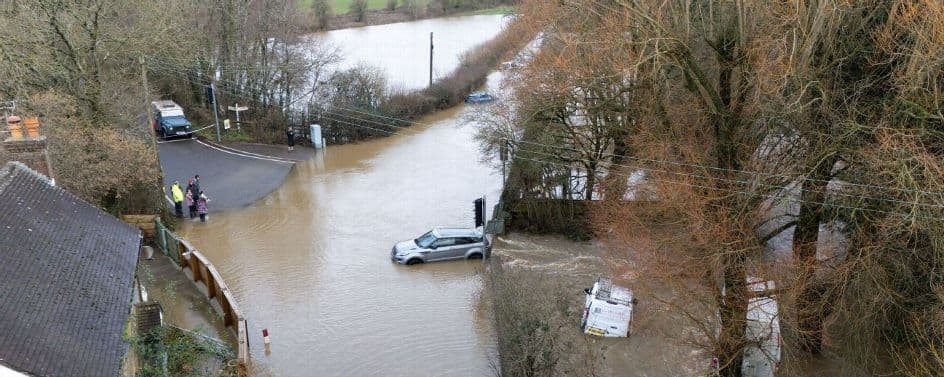
Storm Chandra Unleashes Chaos: Three EFL Fixtures Postponed
Storm Chandra Brings EFL to a Halt
The football weekend has been dealt a significant blow as Storm Chandra forced the postponement of three crucial English Football League (EFL) fixtures. Severe weather conditions, including torrential rain and high winds, rendered pitches unplayable and raised significant safety concerns for both players and supporters. This sudden disruption has sent ripples through the affected clubs, creating logistical headaches and palpable disappointment.
Games Fall Victim to the Elements
Among the matches called off were key encounters across various EFL divisions. Pitches were deemed waterlogged after relentless rainfall, making play impossible and risking injury. Local authorities and club officials made the difficult decisions, prioritizing safety above all else.
- A League One clash, crucial for both teams' promotion aspirations, was called off due to a heavily waterlogged pitch following overnight downpours.
- Another significant League Two fixture was postponed as high winds and safety concerns for stadium infrastructure made it impossible to guarantee the welfare of travelling fans and staff.
- A third EFL game, vital for clubs battling at opposite ends of the table, was declared unplayable after a final pitch inspection just hours before kick-off confirmed standing water across large areas.
These decisions, while necessary, leave thousands of fans facing wasted journeys and clubs grappling with an immediate loss of matchday revenue.
The Ripple Effect: Clubs and Supporters Face Disruption
The impact of these postponements extends far beyond the 90 minutes of football. For clubs, it means:
- Financial hit: Loss of gate receipts, hospitality revenue, and merchandise sales, impacting budgets.
- Logistical challenges: Rearranging travel plans, accommodation, and staffing for new dates.
- Fixture congestion: Finding new dates in an already packed schedule, especially for teams involved in cup competitions, could lead to a demanding run of games.
Supporters, many of whom had travelled long distances, now face the frustration of cancelled plans and the cost implications of non-refundable travel arrangements. The sudden nature of the decisions, though often unavoidable, adds to the sense of disruption for loyal fanbases.
Rescheduling Headaches Loom
The EFL now faces the task of rescheduling these three fixtures. This will undoubtedly prove challenging, particularly with the busy winter period approaching and the looming threat of further adverse weather. Midweek slots are often limited, and finding a suitable date that doesn't overly burden players or clash with other commitments will be a priority. Both clubs and the league will be keen to announce new dates as soon as possible to minimise further inconvenience and allow fans to plan.
Safety First, Always
While frustrating for all involved, the decisions underscore the EFL's unwavering commitment to safety. Playing on dangerous pitches or in hazardous conditions not only puts players at risk of serious injury but also endangers the thousands of fans attending. Storm Chandra serves as a stark reminder of nature's power and the necessity of making tough calls to protect everyone involved in the beautiful game. The focus now shifts to recovery and ensuring these matches can be played in safe, fair conditions, allowing football to be the winner.